7 benefits of regular servicing of woodworking machines
Woodworking machines, whether used for woodworking in a small craft workshop or a large manufacturing company, are a key element of the manufacturing process. To ensure their long-term efficiency and performance, regular servicing is crucial. While many woodworking machinery owners often put this off, it's worth considering the benefits of maintaining their equipment. In this article, we'll explore why woodworking machinery servicing is so crucial.
1. Increasing the lifespan of machines
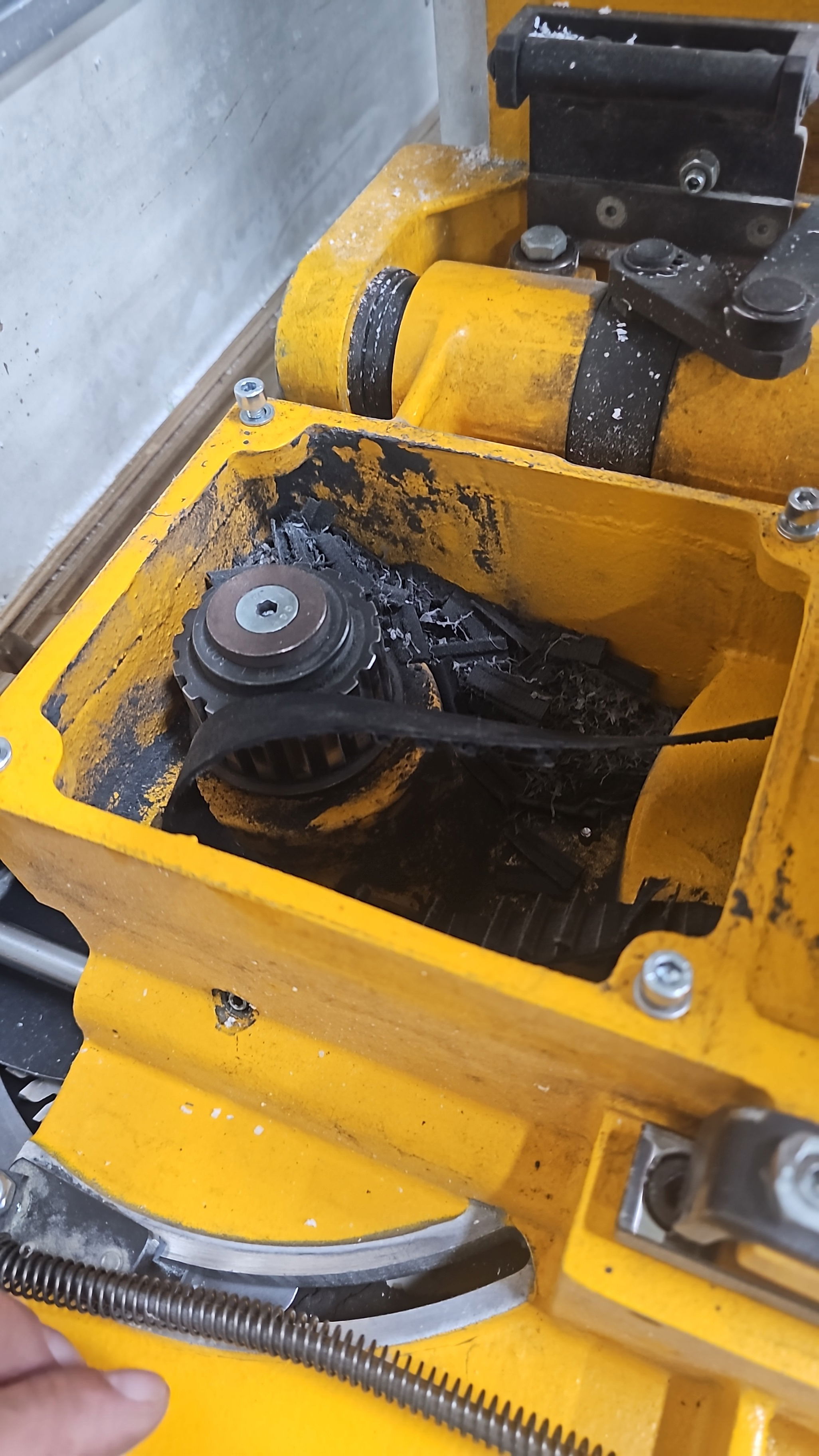
One of the main benefits of regularly servicing woodworking machinery is extending its lifespan. Like any complex machine, woodworking equipment consists of numerous mechanical components that wear out over time. Regular inspections and maintenance allow for the early detection of minor faults that can develop into more serious breakdowns, requiring costly repairs or replacement.
2. Increasing work safety
Woodworking machinery is a tool that, if misused or neglected, can become dangerous. Seized bearings, poorly balanced components, and damaged safety systems are just some of the problems that can occur in machines requiring servicing. Regular inspections by specialists eliminate the risk of breakdowns, which in turn significantly increases the safety of operators and other workshop workers.
3. Performance optimization
Poorly maintained woodworking machines often operate less efficiently – they can struggle with precise cutting, sanding, or milling, which impacts the quality and speed of work. Professional woodworking machinery servicing includes not only repairs but also calibration, lubrication, and cleaning, which improves the equipment's efficiency. This allows the machines to operate more precisely, and the entire production process becomes faster and less expensive.
4. Reduction of repair and downtime costs
Servicing woodworking machinery allows for early detection and repair of minor faults before they become a major problem. Often, the cost of repairing minor faults is significantly less than repairing major breakdowns that can shut down the machine for extended periods. Regular inspections and maintenance prevent unplanned downtime, which can ultimately lead to loss of productivity and production delays. This helps avoid the costs associated with repairing faults and minimizes losses associated with equipment downtime.

5. Adaptation to technological changes
The woodworking industry is constantly evolving, with new technologies and materials being introduced, requiring machines to adapt to changing conditions. Regular servicing can also include CNC machine software updates and other technical modifications that allow for better use of modern solutions. This ensures machines can meet new requirements and trends, allowing the company to remain competitive in the market.
6. Increase resale value
If we decide to sell our machines in the future, regular servicing can significantly increase their market value. Potential buyers will be more willing to pay a premium for machines with a documented maintenance history, providing them with the assurance that the equipment is in good condition and will serve them well for a long time to come.
<